Monetary Instability's Influence on No-Deposit Bonus Frameworks in International Digital Gambling Networks
Written by Leon Hansen · Oct 27, 2026
Monetary Instability's Influence on No-Deposit Bonus Frameworks in International Digital Gambling Networks
Exchange rate swings have begun to alter how operators structure no-deposit offers across platforms that accept users from multiple jurisdictions, and data from October 2026 shows several networks adjusting bonus values in real time to match live currency feeds. These adjustments occur because many borderless systems settle player credits in one base currency while users view balances through local equivalents, which creates mismatches when major pairs like EUR/USD or USD/BRL move sharply within a single session. Researchers at the International Gaming Institute have tracked how such movements force recalibrations that affect both the nominal size of free credits and the wagering multipliers attached to them.
Mechanics Behind Offer Adjustments
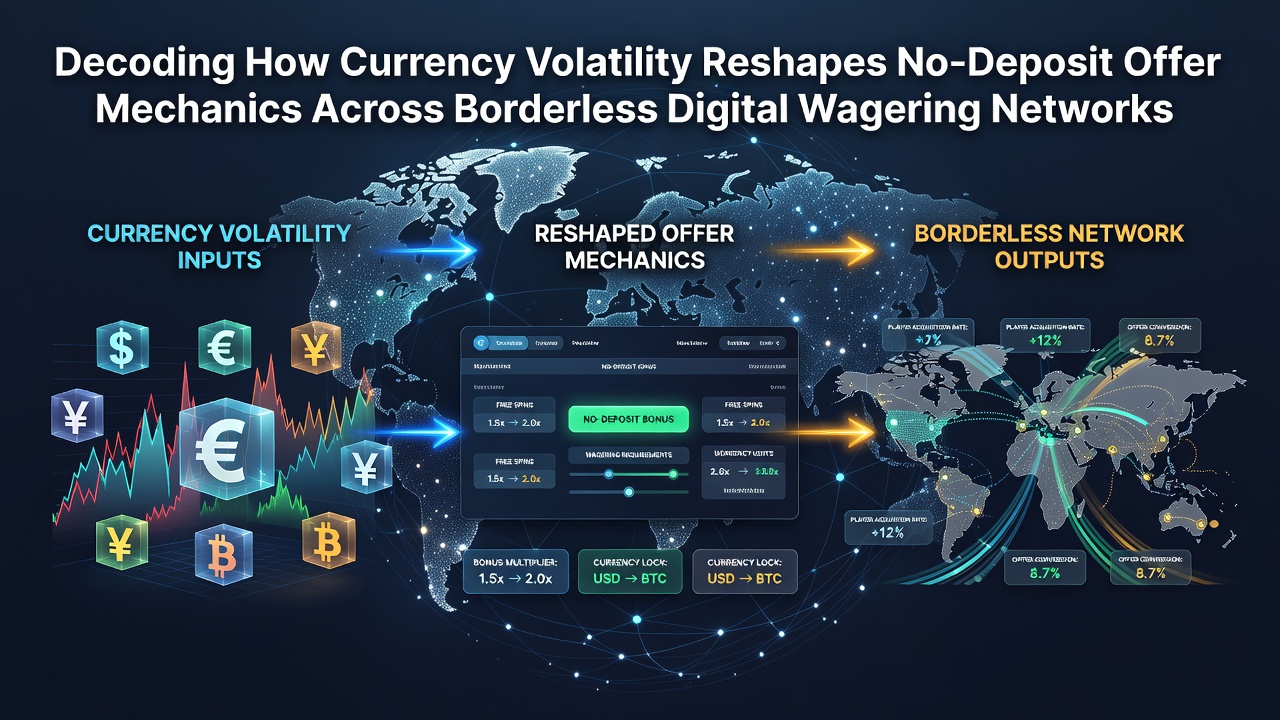
Operators maintain backend ledgers in stable units such as USD or USDT, yet they must display promotional amounts in the currency selected by each account holder; when volatility spikes, the displayed figure can drift several percentage points from the intended value within minutes. Systems therefore embed automated feeds that pull spot rates from multiple liquidity sources and apply them to pending offers before activation, which prevents players from locking in inflated bonuses during sudden depreciations. One case study from a multi-jurisdiction platform revealed that after the Brazilian real weakened 4.2 percent against the dollar in a single trading day during October 2026, the operator reduced the BRL-denominated no-deposit credit by the same margin while leaving the USD version unchanged, thereby preserving parity across regions.
Regional Regulatory Responses
Regulators in different markets have started requiring operators to disclose the reference exchange rate used at the moment an offer activates, and the Malta Gaming Authority issued guidance in mid-2026 that mandates visible timestamps on all bonus terms for cross-border accounts. Australian authorities have taken a similar approach through the Australian Gambling Research Centre, whose latest report links rapid currency shifts to increased player disputes over bonus conversion rates. These rules aim to give users clearer expectations when they claim offers that may later convert at a different rate once wagering begins.

Payment processors that serve these networks have introduced volatility buffers that temporarily freeze conversion rates for a set window after a no-deposit claim, and several large providers now offer operators the option to absorb small fluctuations rather than passing them to players. This approach reduces support tickets but increases the operator's hedging costs, which some networks offset by trimming the base size of promotional credits during periods of elevated market turbulence.
Player Behavior and Platform Adaptations
Analytics firms have recorded shorter claim-to-wager intervals in volatile months, suggesting that players rush to complete requirements before further rate changes affect remaining balances. Platforms respond by offering optional currency locks at the point of offer acceptance, which lets users choose to keep the bonus in the displayed currency or convert it immediately to the operator's ledger currency at the prevailing rate. Data indicates that roughly one-third of eligible accounts select the lock option when major pairs exceed a 2 percent intraday range.
Conclusion
Borderless wagering networks continue to refine their no-deposit mechanics in response to currency movements, and October 2026 has brought additional examples of automated rate integration and clearer disclosure standards across multiple regulatory zones. These adaptations rely on real-time data feeds, standardized disclosure timestamps, and optional conversion locks that together maintain consistency between displayed offers and final settled values. Industry reports from bodies such as the European Gaming and Betting Association confirm that operators who implement such controls experience fewer conversion-related complaints while preserving the appeal of zero-deposit promotions for users in fluctuating markets.