Tracing Adaptation Patterns in Multiplayer Digital Card Environments Across Regulatory Zones
Written by Jordan Flores · Sep 1, 2026
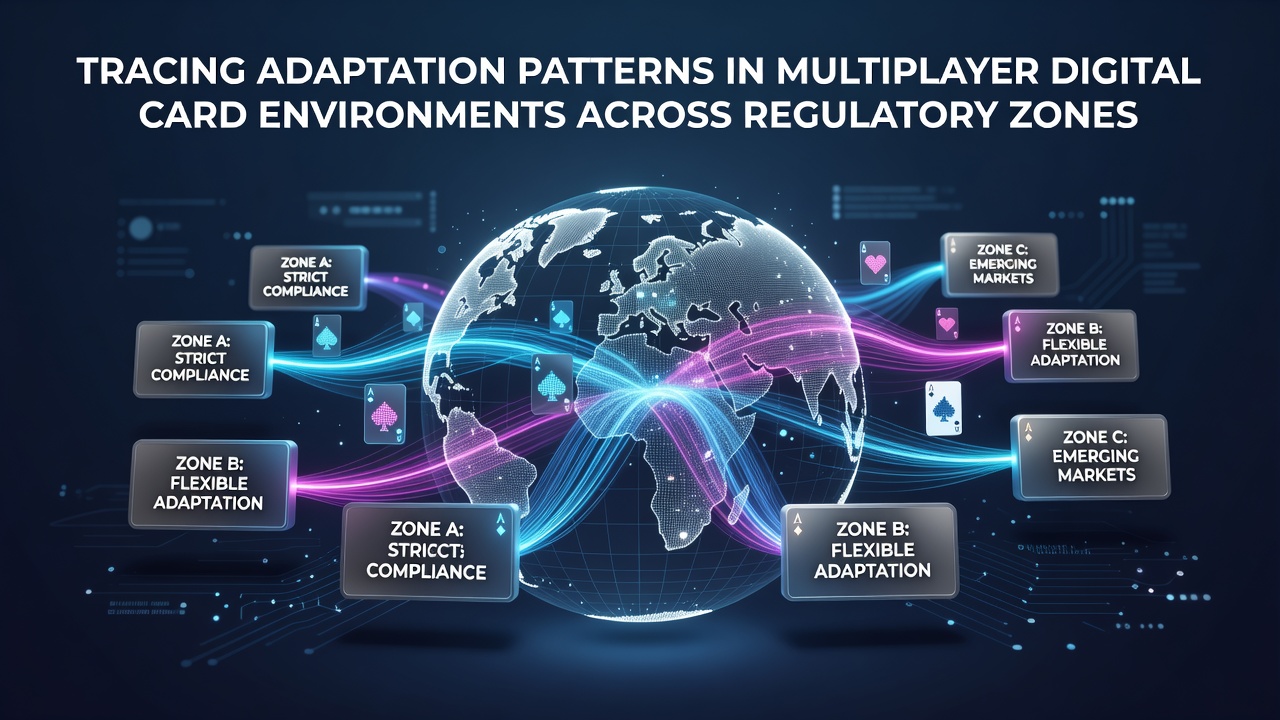
Tracing Adaptation Patterns in Multiplayer Digital Card Environments Across Regulatory Zones
Multiplayer digital card environments encompass platforms such as online poker networks, collectible card game clients, and real-time strategy card applications where players interact across shared virtual tables or matches, and these systems have developed distinct adaptation mechanisms to comply with fragmented regulatory frameworks in regions spanning North America, Europe, Asia, and Australia. Platforms adjust core functionalities including payment processing, user authentication, and game mechanics because laws differ sharply between jurisdictions, while data from industry reports shows that compliance costs have risen steadily since 2023 as operators expand into new markets.
Regional Regulatory Frameworks Shape Platform Design
Regulatory zones impose varying restrictions on real-money transactions, age verification, and content moderation, which forces developers to implement modular code structures that activate or deactivate features based on user location, and researchers tracking these changes note that North American operators often segment services by state lines whereas European platforms align with directives from bodies like the European Commission. In Asia, stricter controls in markets such as China and South Korea require complete separation of free-to-play modes from any monetization elements, leading companies to create parallel client versions that maintain core gameplay loops without violating local statutes.
Data indicates that Australian operators have integrated mandatory responsible gaming tools at the code level since updates rolled out in 2024, and these tools include session timers plus spending caps that apply automatically once a player crosses defined thresholds. Observers note similar patterns emerging in Canadian provinces where provincial gaming authorities mandate specific reporting on transaction volumes, prompting platforms to build automated dashboards that feed directly into regulatory portals.
Technical Adaptations in Response to Compliance Demands
Developers employ geolocation APIs combined with IP verification and device fingerprinting to route users into compliant environments, and this layered approach allows a single backend to support multiple front-end configurations without duplicating entire codebases. Studies from research institutions reveal that latency issues arise when additional verification layers activate during peak hours, yet operators mitigate these delays through edge computing nodes positioned near high-density player regions.
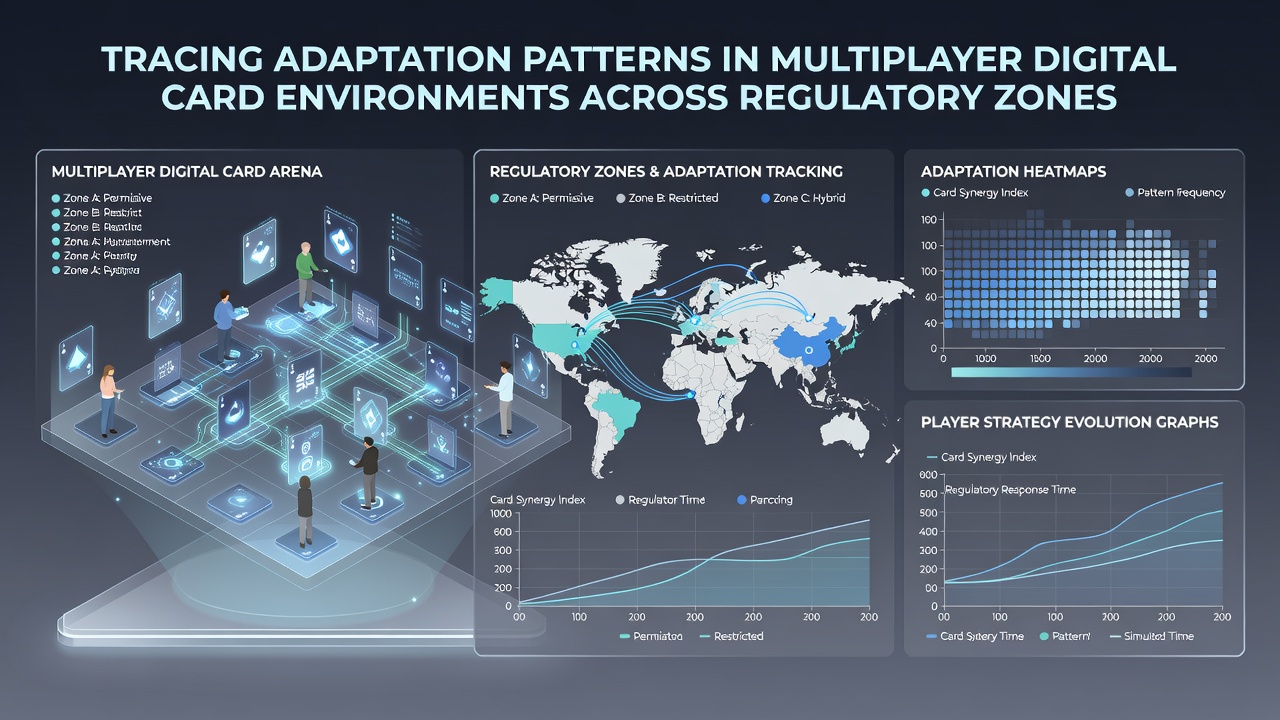
Payment rail adaptations include integration of localized processors that handle fiat currencies alongside digital wallets approved in each zone, whereas cryptocurrency options face outright bans in some jurisdictions and conditional acceptance in others. Those who monitor transaction flows report that platforms began phasing in stablecoin gateways in select European markets during 2025, while North American systems continue to rely primarily on traditional banking channels subject to state-level oversight. And because September 2026 marks the scheduled implementation of updated digital services legislation in several EU member states, multiple card platforms have already begun testing enhanced transparency modules that log every in-game purchase for audit trails.
Case Examples of Cross-Zone Adjustments
One documented case involves a major collectible card platform that introduced region-specific card pools to avoid content flagged under Asian censorship rules, while preserving the full roster for users in less restrictive zones. Another example shows how poker networks altered tournament structures in response to Canadian provincial rules that cap buy-in amounts, resulting in parallel event calendars that run simultaneously yet offer different prize structures based on player geography.
Industry associations such as the European Gaming and Betting Association have published guidelines on data localization requirements, and operators reference these documents when deciding where to store player records versus where to process matches. European Commission reports further detail how cross-border data transfers must meet specific encryption standards, which has driven investment in zero-knowledge proof systems for verifying game fairness without exposing raw player data.
Emerging Patterns and Future Adjustments
Patterns emerging across multiple zones show increased reliance on machine learning models that predict regulatory shifts and pre-configure platform responses, and academic papers from institutions studying digital economies highlight how these predictive systems reduce downtime during sudden policy changes. In markets where real-money play remains prohibited, operators emphasize social and competitive features that drive engagement without direct wagering, creating hybrid models that transition seamlessly once regulations evolve.
Figures from global analytics firms indicate that user retention rates stabilize when adaptation layers remain invisible to players, whereas visible restrictions such as locked features correlate with higher churn in newly regulated territories. Platforms continue to refine these systems through iterative testing cycles that incorporate feedback from regulatory sandboxes operating in Australia and select Canadian provinces.
Conclusion
Adaptation patterns in multiplayer digital card environments reflect ongoing responses to regulatory diversity, with technical solutions centered on modular design, localized payments, and automated compliance tools enabling operators to maintain service continuity across zones. As legislative timelines advance into late 2026, further refinements in verification protocols and data handling practices are expected to shape how these environments evolve while meeting obligations in each jurisdiction.